
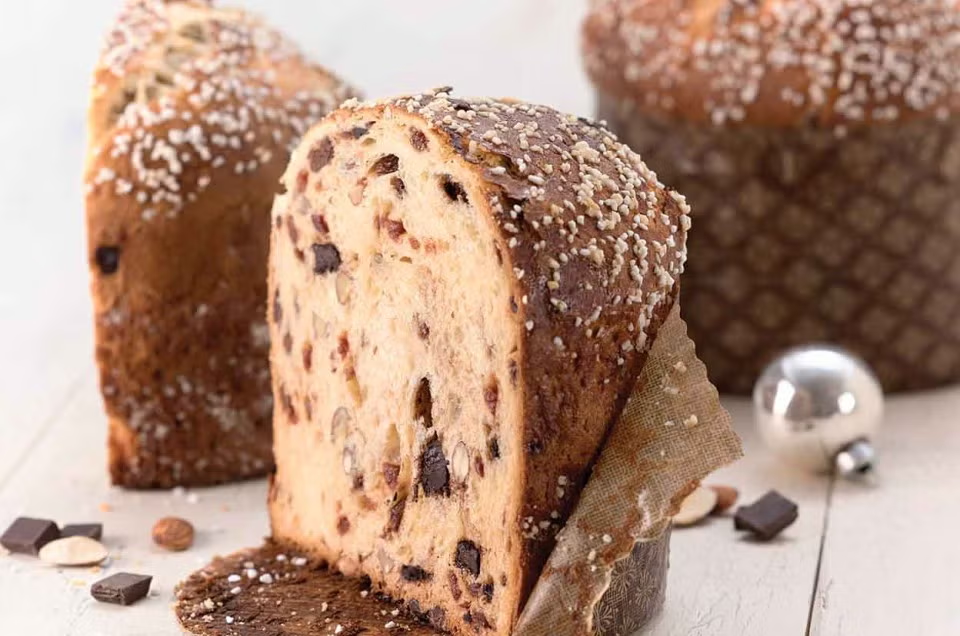
Cherry Almond Panettone is a beautiful Italian-inspired sweet bread filled with dried cherries, almonds, and rich buttery flavor. With its tall shape, soft golden crumb, and delicate sweetness, this festive loaf makes a wonderful addition to holiday breakfasts, brunch tables, afternoon tea, or homemade gift baskets.
Traditional panettone is known for its airy texture and enriched dough. This version combines the classic characteristics of panettone with the delicious flavor combination of cherries and almonds. Small pieces of chocolate can also be added for an extra indulgent touch.
Why You’ll Love This Panettone
This homemade panettone has a soft, tender interior with plenty of flavorful additions in every slice. The dried cherries provide a pleasant fruity sweetness, while almonds add a subtle crunch and nutty flavor. A little citrus zest brings freshness and balances the richness of the butter and eggs.
Although panettone has a reputation for being difficult to make, the process becomes much easier when you understand the dough. The key is patience. The enriched dough needs time to develop gluten and rise properly, so avoid rushing the fermentation and proofing stages.
The finished bread is especially impressive when sliced and served slightly warm with butter.
Ingredients
For the Dough
- 100 g active sourdough starter
- 120 g lukewarm whole milk
- 3 large eggs
- 80 g granulated sugar
- 450 g bread flour
- 8 g salt
- 100 g unsalted butter, softened
- 1 teaspoon vanilla extract
- 1 teaspoon orange zest
- ½ teaspoon almond extract
For the Filling
- 150 g dried cherries
- 80 g sliced or chopped almonds
- 80 g dark or semi-sweet chocolate chunks, optional
- 1 tablespoon flour
For the Topping
- 1 egg for egg wash
- 2 tablespoons sliced almonds
- 1 tablespoon pearl sugar, optional
Preparing the Cherry Filling
Place the dried cherries in a small bowl. If they are particularly dry, soak them in warm water for about 10 minutes, then drain them thoroughly and pat them dry.
Toss the cherries and chopped almonds with a tablespoon of flour. This light coating helps distribute the additions throughout the dough instead of allowing them to sink toward the bottom.
If you are adding chocolate, gently mix it with the cherries and almonds.
Set the filling aside while you prepare the dough.
Making the Dough
Add the active sourdough starter, lukewarm milk, eggs, sugar, vanilla, almond extract, and orange zest to a large mixing bowl. Whisk until well combined.
Add the bread flour and mix until a rough dough forms. Cover the bowl and let the dough rest for about 20 to 30 minutes.
After resting, add the salt and begin kneading. You can knead by hand or use a stand mixer with a dough hook.
The dough will initially feel sticky, but continue working it until it begins to develop elasticity.
Adding the Butter
Softened butter is gradually incorporated into the dough.
Add a small piece of butter at a time, allowing each addition to become fully absorbed before adding more. This process may take several minutes, but it is important for creating the rich, tender structure characteristic of panettone.
Continue kneading until the dough is smooth, glossy, and elastic. It should stretch easily without immediately breaking.
Resist the temptation to add lots of flour. A slightly sticky enriched dough will produce a softer and lighter panettone.
Adding the Cherries and Almonds
Once the dough has developed good strength, gently fold in the dried cherries, almonds, and optional chocolate.
Work carefully so that the fruit and nuts are distributed evenly without tearing the dough.
Form the dough into a loose ball and place it into a lightly greased bowl.
First Fermentation
Cover the bowl and allow the dough to ferment at room temperature.
Depending on the strength of your sourdough starter and the temperature of your kitchen, the first fermentation can take approximately 5 to 8 hours.
The dough should become noticeably larger, lighter, and puffy. Sourdough fermentation times can vary, so use the appearance of the dough as your main guide.
For a deeper flavor, you can place the dough in the refrigerator after the initial fermentation and let it rest overnight.
Shaping the Panettone
Transfer the dough to a lightly floured work surface.
Gently shape it into a smooth ball, trying to create surface tension without pressing too much air out of the dough.
Place the dough into a tall panettone mold or a suitable deep, round baking mold lined with parchment paper.
The dough should initially fill only part of the mold because it will rise substantially during the final proof.
Final Proof
Cover the mold loosely and allow the dough to rise at room temperature.
This stage may take approximately 3 to 6 hours, depending on the temperature and activity of your starter.
The dough should rise significantly and become soft and airy. When it is properly proofed, it should sit close to the upper portion of the panettone mold.
Do not rush this stage. Proper proofing is essential for achieving the characteristic tall and airy panettone crumb.
Preparing for Baking
Preheat your oven to 350°F (175°C).
Gently brush the top of the risen dough with beaten egg. Sprinkle the surface with sliced almonds and pearl sugar if desired.
For a traditional appearance, you can make a shallow cross-shaped cut across the top before baking. Place a small piece of butter in the center of the cut for an especially rich finish.
Baking
Place the panettone in the preheated oven and bake for approximately 40 to 50 minutes.
The exact baking time depends on the size and shape of your mold. The top should become a deep golden brown, and the center should be fully baked.
If the top becomes dark before the center is finished, loosely cover the panettone with aluminum foil and continue baking.
A fully baked panettone should feel light but structured and should have a beautifully browned crust.
Cooling the Panettone
Cooling is one of the most important parts of making panettone.
Because the loaf is tall and airy, its structure can collapse if it is left standing upright while hot. Traditionally, panettone is cooled upside down using skewers inserted through the lower portion of the loaf.
If your mold and setup allow for this method, carefully insert two sturdy skewers through the bottom and suspend the panettone upside down between two stable supports.
Allow it to cool completely before removing the skewers.
If you prefer not to cool it upside down, let the bread cool gradually and avoid cutting it while it is still very hot.
How to Serve Cherry Almond Panettone
Once completely cool, use a serrated knife to cut the panettone into thick slices.
It can be enjoyed at room temperature or gently warmed.
Serve it with:
- Salted butter
- Orange marmalade
- Cherry preserves
- Honey
- Mascarpone
- Whipped cream
- Coffee or tea
- Hot chocolate
The combination of cherries, almonds, orange, and chocolate makes every slice rich and festive.
Helpful Tips
Use an active starter: A strong, bubbly sourdough starter is essential for proper fermentation.
Be patient: Enriched dough rises more slowly than lean bread dough. Give it enough time.
Use softened butter: Cold butter is difficult to incorporate and can make the dough uneven.
Keep the fruit dry: Excess moisture from soaked cherries can affect the dough’s texture.
Don’t overload the dough: Too many additions can make it difficult for the dough to rise properly.
Watch the proofing: The dough should become noticeably puffy before baking.
Cool completely: Cutting panettone too early can compress its delicate crumb.
Storage
Store completely cooled panettone in an airtight bag or container at room temperature for several days.
For longer storage, wrap it tightly in plastic wrap and place it in a freezer-safe bag. It can be frozen for up to two months.
To serve, allow it to thaw completely at room temperature. Warm individual slices gently before serving if desired.
Final Thoughts
Cherry Almond Panettone is a festive twist on a classic Italian sweet bread. The combination of soft enriched dough, juicy dried cherries, crunchy almonds, bright orange zest, and optional chocolate creates a loaf that is both beautiful and delicious.
The recipe does require patience, especially during fermentation and proofing, but the reward is a tall, tender loaf with an impressive texture and wonderful homemade flavor.
Whether you prepare it for Christmas morning, a holiday gathering, weekend brunch, or as a thoughtful homemade gift, this cherry almond panettone is sure to make the occasion feel extra special. Slice it generously, serve it with your favorite spread, and enjoy every buttery, fruity bite.

