
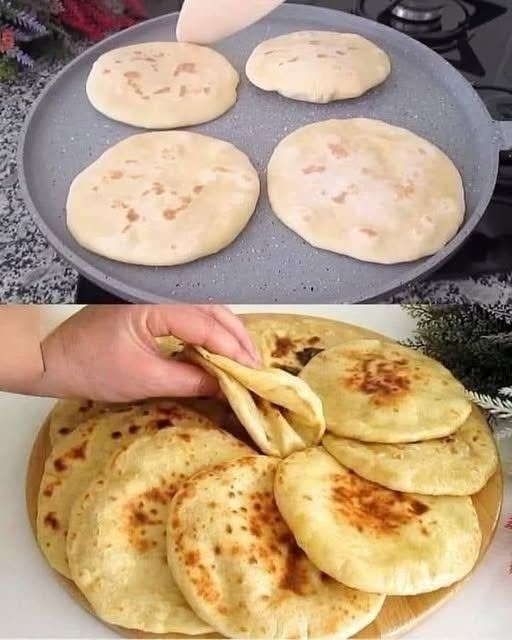
If you have been missing warm, soft bread while following a carnivore, ketogenic, or very low-carb lifestyle, these zero-carb-style skillet flatbreads are worth trying. They are soft, flexible, lightly chewy, and develop beautiful golden-brown spots as they cook.
The flatbreads pictured here look wonderfully simple: small rounds of dough cooked directly on a dry skillet until puffed and lightly browned. The trick is creating a dough that can be rolled or pressed thin without using traditional flour.
This version uses shredded mozzarella, cream cheese, egg, and a small amount of whey protein isolate to create a flexible dough. Because nutritional values vary significantly between brands, technically speaking, no homemade bread can be guaranteed to contain absolutely zero carbohydrates. However, with carefully selected ingredients, these can be extremely low in net carbs and suitable for many keto or carnivore-adjacent eating plans.
Why You’ll Love These Flatbreads
Traditional flatbread recipes generally depend on wheat flour, which means a single piece can contain a substantial amount of carbohydrates.
These skillet breads take a completely different approach.
Melted cheese provides structure and richness, while egg helps bind everything together. A little whey protein isolate gives the dough additional structure without introducing the carbohydrate load associated with flour.
The finished bread is particularly useful because it isn’t just something to eat alongside dinner. You can use it as a wrap, sandwich bread, breakfast base, or even a quick pizza crust.
And unlike many low-carb breads that become dry and crumbly, these remain pleasantly soft when cooked correctly.
Ingredients
For the Flatbread Dough
2 cups shredded mozzarella cheese
2 tablespoons cream cheese
1 large egg
3 tablespoons unflavored whey protein isolate
¼ teaspoon salt
¼ teaspoon garlic powder, optional
¼ teaspoon onion powder, optional
1 tablespoon melted butter or beef tallow, for cooking if needed
For a stricter zero-carb approach, choose ingredients whose nutrition labels contain 0 grams of carbohydrate per serving and calculate the final nutrition from the exact products you use.
Optional Toppings
These are completely optional, but you can add:
Flaky salt
Garlic butter
Grated Parmesan
Dried herbs
A little melted butter
If you’re following a strict carnivore approach, simply omit the seasonings and use animal-based ingredients appropriate for your plan.
How to Make Zero-Carb Flatbread
- Melt the Cheese
Add the shredded mozzarella and cream cheese to a microwave-safe bowl.
Heat in short intervals, stirring between each one, until the cheese is completely melted and smooth.
Don’t overheat it. You want the cheese soft and stretchy rather than bubbling aggressively.
If you don’t have a microwave, place the cheeses in a heatproof bowl over a saucepan of gently simmering water and stir until melted.
- Add the Egg
Allow the melted cheese mixture to cool for a minute or two.
Add the egg and mix thoroughly.
It’s important not to add the egg while the cheese is extremely hot because you don’t want the egg to cook immediately and turn into scrambled egg.
The mixture may look somewhat sticky at this stage. That’s perfectly normal.
- Add the Whey Protein
Add the unflavored whey protein isolate, salt, and any optional seasonings.
Mix everything together until you have a thick dough.
At first, it may seem like the ingredients aren’t going to come together. Keep mixing and kneading while the cheese is still warm.
If the dough becomes too stiff, gently warm it for a few seconds.
If it’s extremely sticky, allow it to cool slightly before handling.
- Divide the Dough
Place the dough on a sheet of parchment paper.
Divide it into approximately 6 equal portions.
Roll each portion into a ball.
The size can be adjusted depending on whether you want small breakfast flatbreads or larger wraps.
For breads resembling those in the photograph, keep the portions relatively small and flatten them into rounds.
- Roll or Press the Flatbreads
Place another sheet of parchment paper over a dough ball.
Use your hands, a rolling pin, or the bottom of a flat pan to gently press the dough into a thin circle.
Aim for approximately ⅛ inch thick.
Don’t make them paper-thin. A slightly thicker flatbread will remain soft and flexible after cooking.
If the dough sticks, parchment paper makes the process much easier.
Try to keep the thickness relatively even so the center cooks at the same rate as the edges.
- Cook on a Skillet
Heat a nonstick skillet or well-seasoned griddle over medium-low heat.
You generally won’t need much oil because the cheese already contains plenty of fat.
Place one flatbread onto the warm skillet.
Cook for approximately 2–3 minutes on the first side, or until the underside develops golden-brown spots.
Carefully flip it.
Cook for another 1–2 minutes.
The bread should have a few attractive toasted patches while remaining soft in the middle.
Don’t use extremely high heat. The outside can brown quickly while the inside remains soft and undercooked.
Medium-low heat gives the cheese-based dough time to cook through.
Repeat with the remaining pieces.
The Secret to Soft Flatbread
One of the biggest mistakes with low-carb flatbread is overcooking it.
Because this dough doesn’t contain wheat flour, it doesn’t behave exactly like traditional bread dough.
If you cook it until it becomes deeply brown and crisp, it can lose the soft, flexible texture you’re looking for.
Instead, remove each flatbread as soon as it is cooked through and lightly browned.
Immediately stack the cooked breads on a plate and cover them with a clean kitchen towel.
The trapped warmth helps keep them soft.
This is especially useful if you’re preparing several at once.
How to Serve Them
There are countless ways to use these flatbreads.
Breakfast Wrap
Fill a warm flatbread with scrambled eggs, crispy bacon, sausage, and cheese.
Fold it in half or roll it tightly for an easy breakfast.
Sandwich Wrap
Use one as a replacement for tortillas. Add sliced meat, cheese, eggs, or another favorite low-carb filling.
Pizza Base
Cook one side slightly longer, then add cheese and your favorite low-carb toppings.
Place it under the broiler or in a hot oven until the cheese melts.
Garlic Flatbread
Brush the finished bread with melted butter and sprinkle with garlic powder and Parmesan.
Return it to the skillet for about 30 seconds.
Dinner Side
These are excellent alongside grilled meat, roasted chicken, steak, or eggs.
Because they’re soft and flexible, they are also useful for scooping up rich sauces and pan juices.
Troubleshooting
The dough is too sticky.
Allow it to cool for several minutes before handling. You can also lightly grease the parchment paper.
The dough cracks when rolled.
It’s probably too cool. Gently warm it and knead it again until the cheese becomes flexible.
The flatbread is too crispy.
Reduce the cooking temperature and shorten the cooking time. Remember that the goal is a soft, flexible bread.
The bread won’t brown.
Increase the skillet temperature slightly, but avoid turning it too high. A properly preheated skillet should produce golden spots fairly quickly.
The bread tastes too cheesy.
Use a mild mozzarella and keep the optional seasonings simple. Garlic, salt, and herbs can help balance the flavor.
Storage
Allow the flatbreads to cool completely before storing.
Place parchment paper between individual breads and keep them in an airtight container in the refrigerator for up to 4 days.
To reheat, place one in a dry skillet over low heat for approximately 30–60 seconds per side.
You can also freeze them. Separate the individual flatbreads with parchment paper, place them in a freezer-safe container or bag, and freeze for up to approximately 2 months for best quality.
Thaw in the refrigerator and reheat gently.
Important Note About “Zero Carb”
The phrase zero carb deserves a little clarification.
Even ingredients marketed as zero-carb can contain tiny amounts of carbohydrates depending on serving size and labeling regulations. Cheese, cream cheese, eggs, and whey protein can all contribute small amounts.
For that reason, the most accurate description is very-low-carb or near-zero-carb, unless your particular ingredients add up to exactly zero carbohydrates.
If you’re following keto for a specific carbohydrate limit, always calculate the recipe using the nutrition labels on the products you actually purchase.
Final Thoughts
These skillet flatbreads are a fantastic example of how a few simple ingredients can create something surprisingly bread-like without traditional flour.
They’re soft, golden, flexible, cheesy, and incredibly versatile. Keep a batch in the refrigerator and you’ll have an easy low-carb option whenever you need something to serve with a meal.
The most important tips are simple: melt the cheese gently, don’t add the egg while the cheese is scorching hot, press the dough evenly, and cook the flatbreads over moderate heat rather than rushing them.
Once you’ve made them a few times, you’ll be able to adjust the thickness and cooking time to get exactly the texture you prefer.
Recipe summary: melt mozzarella and cream cheese, mix with egg and whey protein isolate, divide and flatten into rounds, then cook in a skillet until golden and flexible. Stack them under a towel to keep them soft.
They make an especially convenient low-carb replacement for tortillas, wraps, naan-style sides, and everyday sandwich bread—without needing a bag of traditional flour.

