What Is a Sourdough Starter?
A sourdough starter is a living culture made from just flour and water. Over time, it captures natural wild yeast and beneficial bacteria from the environment. These microorganisms ferment the mixture, producing bubbles, rise, and that signature tangy sourdough flavor.
Unlike commercial yeast, a starter is self-sustaining—you feed it regularly, and it keeps growing stronger. Once established, it becomes the foundation for baking sourdough bread, pancakes, pizza dough, and more.
Ingredients & Equipment
Ingredients:
- 1 cup (120g) flour (whole wheat or all-purpose)
- ½ cup (120ml) filtered water
Equipment:
- Glass jar or container
- Spoon or spatula
- Loose lid or cloth cover
- Rubber band (optional, to track growth)
Tip: Whole wheat flour helps kickstart fermentation faster because it contains more natural microbes.
Day-by-Day Instructions
Day 1: Start the Culture
- In a clean jar, mix:
- 1 cup flour
- ½ cup water
- Stir until smooth (thick batter consistency).
- Cover loosely and leave at room temperature (20–25°C).
What to expect: Not much activity yet—this is normal.
Day 2: First Signs of Life
- You may see a few bubbles or smell something slightly sour.
- Stir the mixture once or twice.
Do not feed yet unless it looks very active.
Day 3: First Feeding
- Discard about half of the mixture.
- Add:
- ½ cup flour
- ¼ cup water
- Mix well and cover loosely.
What to expect: More bubbles and a stronger smell (sometimes slightly unpleasant—this is normal early fermentation).
Day 4–5: Build Strength
- Repeat daily:
- Discard half
- Feed with fresh flour and water
Now you should notice:
- Visible bubbles throughout
- Slight rise in volume
- A tangy, yeasty aroma
Day 6–7: Active Starter
Your starter should:
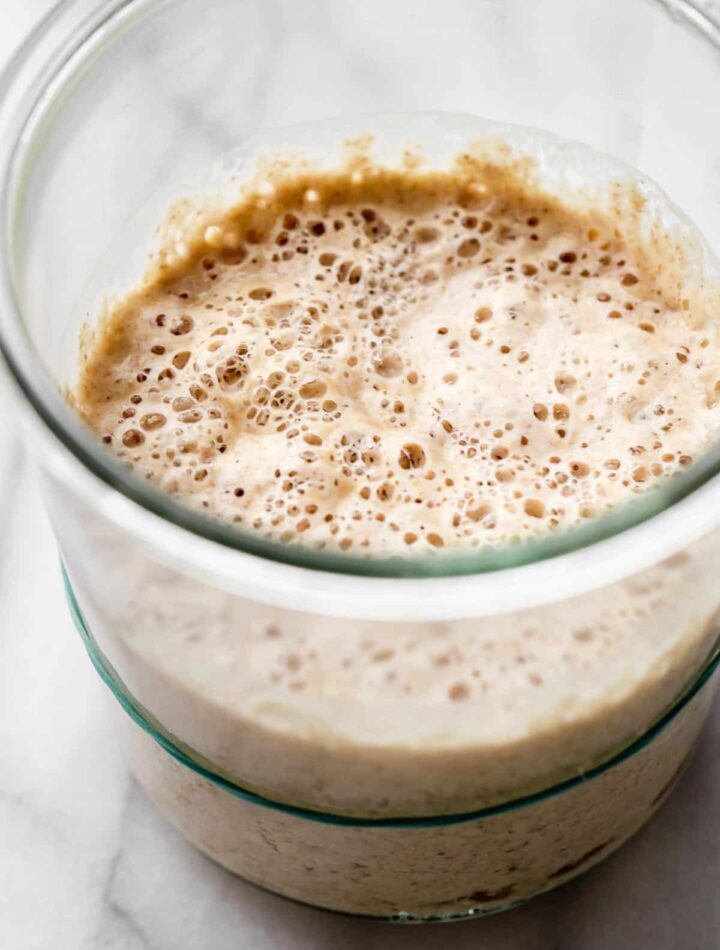
- Double in size within 4–6 hours after feeding
- Smell pleasantly sour (like yogurt or mild vinegar)
- Have a bubbly, airy texture
If it’s not quite there yet, keep feeding daily—it may take up to 10 days depending on temperature.
How to Feed Your Starter


Once your starter is established:
Regular Feeding Ratio:
- 1 part starter
- 1 part flour
- 1 part water
Example:
- ½ cup starter
- ½ cup flour
- ½ cup water
How to Tell If Your Starter Is Ready
Your starter is ready to bake with when:
✔ It doubles in size within a few hours
✔ It’s full of bubbles
✔ It has a pleasant sour smell
✔ It passes the “float test”:
- Drop a small spoonful into water
- If it floats, it’s ready
Storage Options
Room Temperature (Frequent Baking)
- Feed daily
- Keep on the counter
Refrigerator (Occasional Baking)
- Feed once a week
- Store covered in fridge
- Bring to room temp and feed before using
Common Problems & Fixes
1. No Bubbles
- Too cold → move to a warmer spot
- Use whole wheat flour to boost activity
2. Bad Smell (Rotten or cheesy)
- Normal in early days
- Keep feeding—it will stabilize
3. Liquid on Top (“Hooch”)
- Alcohol from fermentation
- Stir it in or pour off
- Feed more frequently
4. Not Rising
- Needs more time
- Try feeding twice a day
- Ensure correct ratios
Tips for Success
- Use filtered water (chlorine can slow growth)
- Keep a consistent feeding schedule
- Don’t seal the jar tightly—starter needs airflow
- Be patient—every environment is different
Simple Recipe Using Your Starter
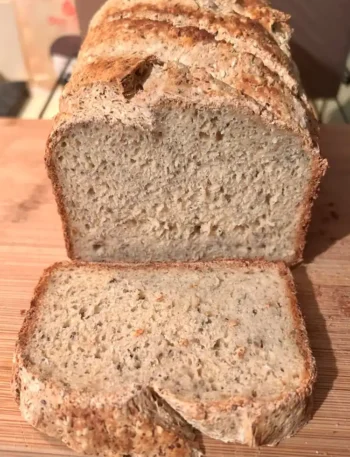
Once your starter is ready, try a basic sourdough bread:
Ingredients:
- 500g flour
- 350ml water
- 100g active starter
- 10g salt
Steps:
- Mix ingredients into dough
- Let rise for 4–6 hours
- Shape and proof overnight
- Bake at 230°C for 30–40 minutes
Why Make Your Own Starter?
Making your own sourdough starter is rewarding because:
- It’s natural and preservative-free
- Easier to digest than commercial bread
- Adds rich flavor to baked goods
- Can last for years with proper care
Many bakers even name their starters—it becomes part of your kitchen routine!
Final Thoughts
Creating a sourdough starter is less about perfection and more about consistency. It’s a living culture that responds to your environment, flour, and care. Even if it takes a few extra days, stick with it—you’ll be rewarded with a strong, bubbly starter that can be used for countless delicious recipes.
Once you get the hang of it, sourdough baking becomes not just cooking, but a craft.