
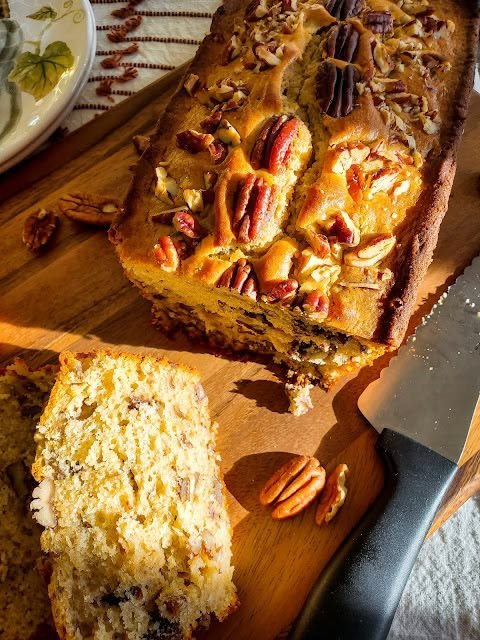
Maple Pecan Sourdough Bread
If you love the warm flavor of maple syrup and the rich crunch of toasted pecans, this Maple Pecan Sourdough Bread is a must-try. This rustic sourdough loaf combines a naturally fermented dough with sweet maple syrup and crunchy toasted pecans for a delicious bread that is perfect for breakfast, brunch, snacks, or a cozy afternoon treat.
The sourdough fermentation gives the bread a subtle tangy flavor that balances beautifully with the sweetness of maple syrup. Toasted pecans add a buttery crunch throughout the soft, chewy crumb, while the golden crust provides the perfect contrast.
This loaf is delicious on its own, but it becomes even better when toasted and spread with butter. A little cream cheese, honey, or maple butter also makes an excellent topping.
Why You’ll Love This Recipe
There are so many reasons to make this Maple Pecan Sourdough Bread:
- Naturally fermented sourdough flavor
- Warm and comforting maple sweetness
- Toasted pecans add wonderful crunch
- Crispy golden crust
- Soft and chewy interior
- Perfect for breakfast and brunch
- Delicious toasted with butter
- Excellent homemade gift for holidays and gatherings
- Easy to prepare ahead with an overnight cold proof
The combination of maple and pecans makes this loaf feel especially cozy during fall and winter, but it is delicious all year round.
Ingredients
For the Dough
- 500 g bread flour
- 340 g water, room temperature
- 100 g active sourdough starter
- 10 g fine sea salt
- 50 g pure maple syrup
- 100 g pecans, roughly chopped
- 1 teaspoon vanilla extract, optional
For the best flavor, use pure maple syrup rather than pancake syrup.
For the Pecans
- 100 g raw pecans
- 1 teaspoon maple syrup, optional
- Small pinch of salt
You can toast the pecans before adding them to the dough for a deeper, nuttier flavor.
Step 1: Toast the Pecans
Begin by toasting the pecans.
Preheat your oven to 350°F (175°C).
Spread the pecans in a single layer on a baking sheet. Toast them for approximately 7–10 minutes, stirring once halfway through.
Watch them carefully because nuts can burn quickly.
Once fragrant and lightly browned, remove them from the oven and allow them to cool completely.
When cool, roughly chop them into smaller pieces.
You want a mixture of smaller pieces and slightly larger chunks so every slice has a pleasant pecan crunch.
Step 2: Mix the Dough
Add the water and active sourdough starter to a large mixing bowl.
Stir until the starter is mostly dissolved into the water.
Add the bread flour and mix until no dry flour remains.
The dough will look rough and shaggy at first.
Cover the bowl and allow the dough to rest for about 30 minutes.
This resting period allows the flour to hydrate and helps begin gluten development.
Step 3: Add Maple Syrup and Salt
After the dough has rested, add the maple syrup and salt.
Use your fingers to gently pinch and fold the dough until everything is incorporated.
Maple syrup adds both sweetness and additional moisture, so the dough may feel slightly different from a plain sourdough dough.
Don’t worry if it feels sticky at first.
As gluten develops through folding, the dough should become smoother and easier to handle.
Step 4: Add the Pecans
Once the dough has developed some strength, gently add the toasted pecans.
Flatten the dough slightly and scatter some pecans over the surface.
Fold the dough over itself and repeat from the remaining sides.
Continue until most of the pecans are incorporated.
Avoid aggressive kneading because you don’t want to crush the pecans or damage the developing dough structure.
If a few pecans remain on the outside, that’s perfectly fine.
Step 5: Stretch and Fold
Cover the bowl and allow the dough to rest for approximately 30 minutes.
Then perform a set of stretch-and-folds.
Grab one side of the dough, gently stretch it upward, and fold it toward the center.
Rotate the bowl and repeat on all four sides.
Perform around 4 sets of stretch-and-folds, approximately 30 minutes apart during the first two hours.
Each set should make the dough feel stronger and more elastic.
The pecans will gradually become distributed throughout the dough.
Step 6: Bulk Fermentation
After completing the stretch-and-folds, cover the bowl and allow the dough to continue fermenting at room temperature.
Bulk fermentation may take approximately 4–6 hours, depending on the temperature of your kitchen and the activity of your sourdough starter.
Instead of relying only on the clock, look for signs that the dough is ready.
The dough should:
- Increase noticeably in volume
- Look puffy
- Develop bubbles along the edges
- Feel lighter and more elastic
- Jiggle slightly when the bowl is moved
A warm kitchen will speed up fermentation, while a cool kitchen will slow it down.
Avoid letting the dough over-ferment because it can become difficult to shape and may result in a flatter loaf.
Step 7: Shape the Loaf
Lightly flour your work surface.
Gently transfer the dough onto the surface.
Try not to press all the air out.
Shape the dough into a round or oval loaf by folding the edges toward the center.
Create gentle surface tension by pulling the dough toward you across the work surface.
Place the shaped loaf seam-side up in a well-floured banneton.
If you don’t have a banneton, use a bowl lined with a clean kitchen towel and dusted with flour.
Step 8: Cold Proof
Cover the shaped loaf and place it in the refrigerator for 8–16 hours.
This overnight cold proof allows the sourdough flavor to develop more deeply.
It also makes the dough firmer and easier to score before baking.
For convenience, prepare the loaf in the evening and bake it the next morning.
Step 9: Prepare for Baking
Place a Dutch oven inside your oven and preheat to 475°F (245°C) for at least 30–45 minutes.
When ready to bake, carefully turn the chilled dough onto parchment paper.
Use a sharp bread lame or razor blade to score the surface.
A simple long slash works beautifully, but you can also create a decorative wheat or leaf pattern.
Scoring gives the bread room to expand during baking.
Step 10: Bake
Carefully transfer the dough into the preheated Dutch oven.
Cover with the lid and bake for 20 minutes.
After 20 minutes, remove the lid and reduce the oven temperature to 450°F (230°C).
Continue baking for another 20–25 minutes, or until the crust is deep golden brown.
The maple syrup can encourage browning, so keep an eye on the loaf during the final stage.
If the crust is becoming too dark, reduce the temperature slightly.
Step 11: Cool Completely
Remove the finished loaf from the Dutch oven and place it on a wire rack.
Allow it to cool for at least 1–2 hours before slicing.
Although it may be tempting to cut into the warm loaf immediately, cooling allows the crumb to finish setting.
Slicing too early can make the interior gummy.
Once cooled, use a serrated bread knife to cut thick slices.
The finished bread should have a beautiful golden crumb with toasted pecans distributed throughout.
Tips for Perfect Maple Pecan Sourdough
Use Pure Maple Syrup
Pure maple syrup provides a richer and more natural flavor than pancake syrup.
Toast the Pecans
Toasting brings out the natural oils and creates a much deeper pecan flavor.
Cool the Pecans
Never add hot pecans directly to the dough. Allow them to cool completely first.
Don’t Add Too Much Maple Syrup
Maple syrup adds sweetness but also affects dough hydration. The amount in this recipe provides noticeable flavor without making the dough overly sweet or difficult to handle.
Use an Active Starter
Your sourdough starter should be bubbly and active before beginning.
Watch the Dough
Fermentation times can vary significantly depending on room temperature. Learn to recognize when your dough looks and feels ready rather than depending entirely on a timer.
Optional Maple Butter
For an extra-special serving idea, make quick maple butter.
Combine:
- 4 tablespoons softened butter
- 1 tablespoon pure maple syrup
- Small pinch of salt
Mix until smooth.
Spread the maple butter over warm toasted slices of Maple Pecan Sourdough Bread.
The creamy butter melts into the crisp toast while the maple complements the toasted pecans beautifully.
How to Serve
This sourdough is delicious in many ways.
Serve it with:
- Salted butter
- Maple butter
- Cream cheese
- Greek yogurt
- Fresh fruit
- Honey
- Apple butter
- Scrambled eggs
It also makes excellent French toast. The slightly tangy sourdough pairs wonderfully with eggs, milk, cinnamon, vanilla, and maple syrup.
For a simple breakfast, toast a thick slice and top it with cream cheese, sliced banana, and a small drizzle of maple syrup.
Storage
Allow the loaf to cool completely before storing.
Keep it in a paper bread bag or bread box at room temperature for several days.
For longer storage, slice the loaf and freeze the slices in an airtight freezer-safe bag.
Individual slices can be toasted directly from frozen.
Avoid refrigerating the bread unless necessary because the refrigerator can cause sourdough to become stale more quickly.
Final Thoughts
Maple Pecan Sourdough Bread is the perfect recipe when you want something a little sweeter and more indulgent than a traditional sourdough loaf. The combination of tangy fermented bread, warm maple sweetness, and buttery toasted pecans creates an irresistible flavor and texture.
Every slice has a crisp crust, chewy center, and crunchy pieces of pecan throughout. Enjoy it toasted with maple butter for breakfast, serve it alongside brunch, or turn it into French toast for a special weekend treat.
Once you try this recipe, you can experiment with cinnamon, dried cranberries, walnuts, or even a touch of orange zest to create your own unique version.
